ZigZag throughout the years
2019 to 2021
Early versions of ZigZag
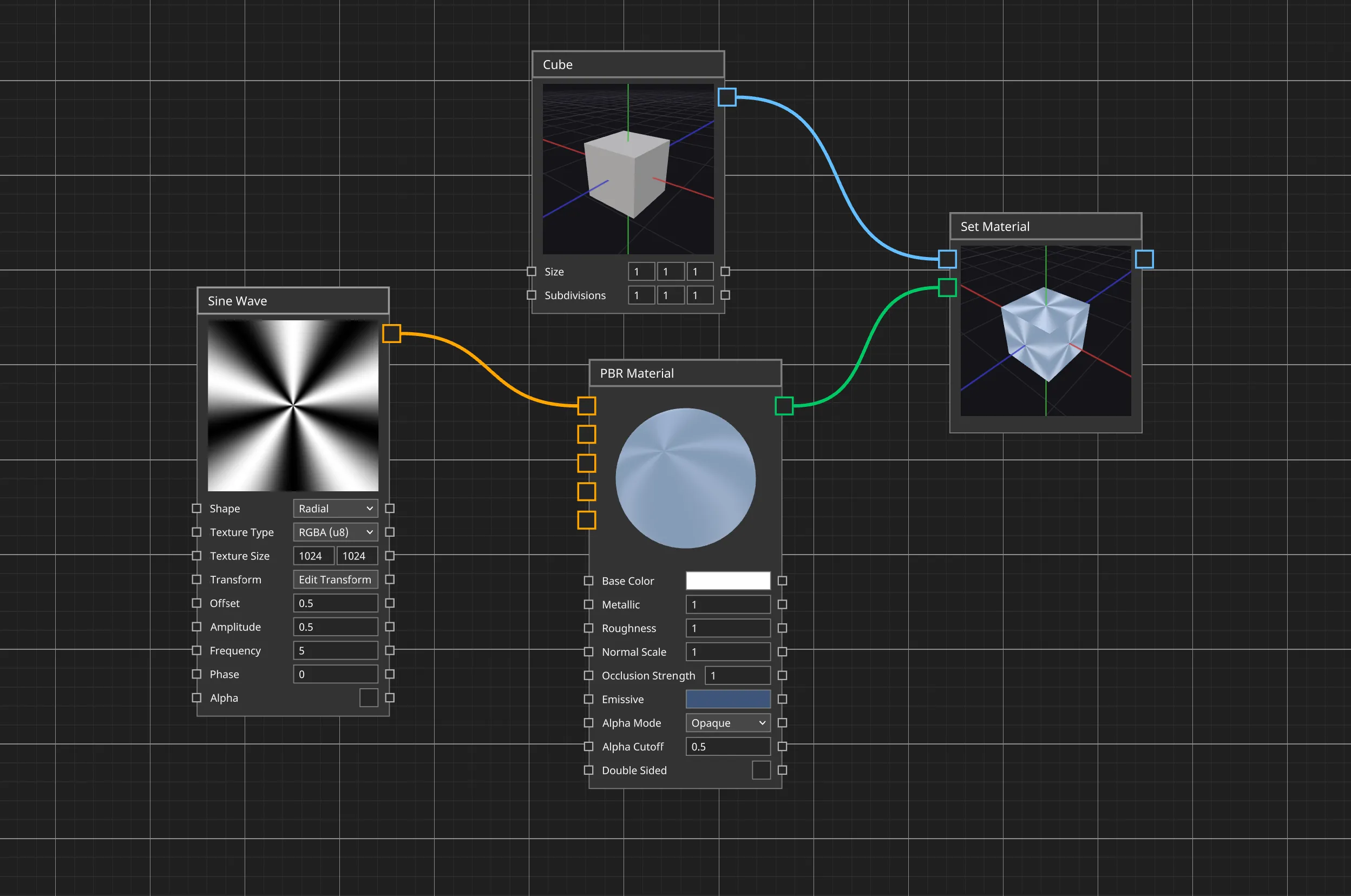
I have been interested in node based software for a very long time. I believe it can provide the ultimate balance between code reusability and creative freedom. Before the current version of ZigZag I was already experimenting with node based media editors for years. ZigZag went through several versions before the current one. There was a version built with Qt, a version built with JUCE, and a version with a C# core talking to an editor in C++. Each one taught me something about what a node-based visuals tool needs, and each one was not yet good enough.
16 July 2021
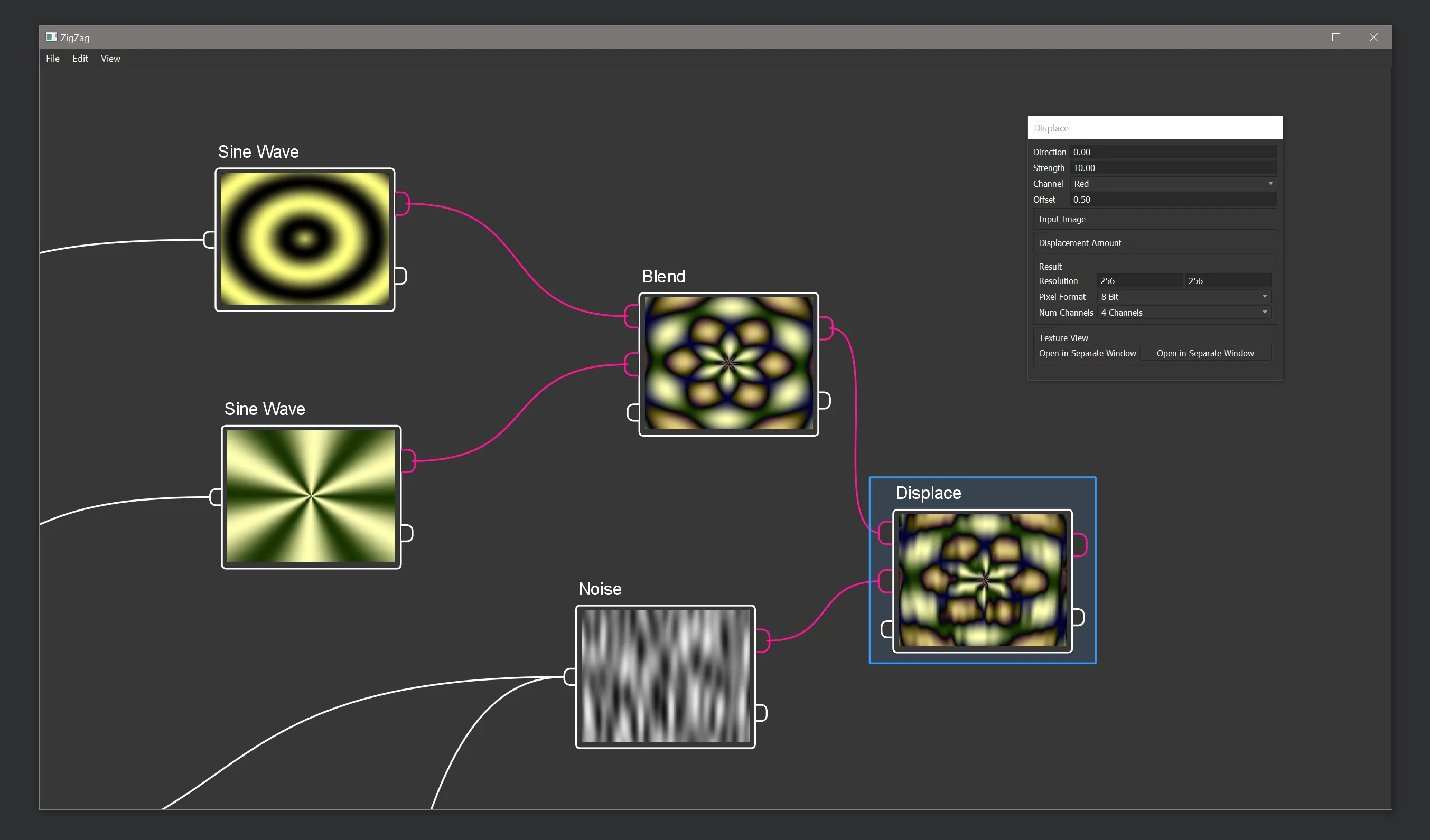
The first line of code
The first commit on the codebase that is ZigZag today. A lot of the original ideas were already there from the start, like the modular plugin-based architecture and direct visual feedback on the data. There were also some aspects that did not make it to the current version such as using Vulkan as the rendering backend.
January 2022
Switching to Google Dawn
The Vulkan rendering backend was replaced with Google's Dawn, an implementation of WebGPU. One graphics API that runs on every platform, without maintaining separate backends. This has been a massive productivity boost for the project, and in places where absolute control is required, it is always still possible to fall back to Vulkan.
6 July 2023
Deadzones
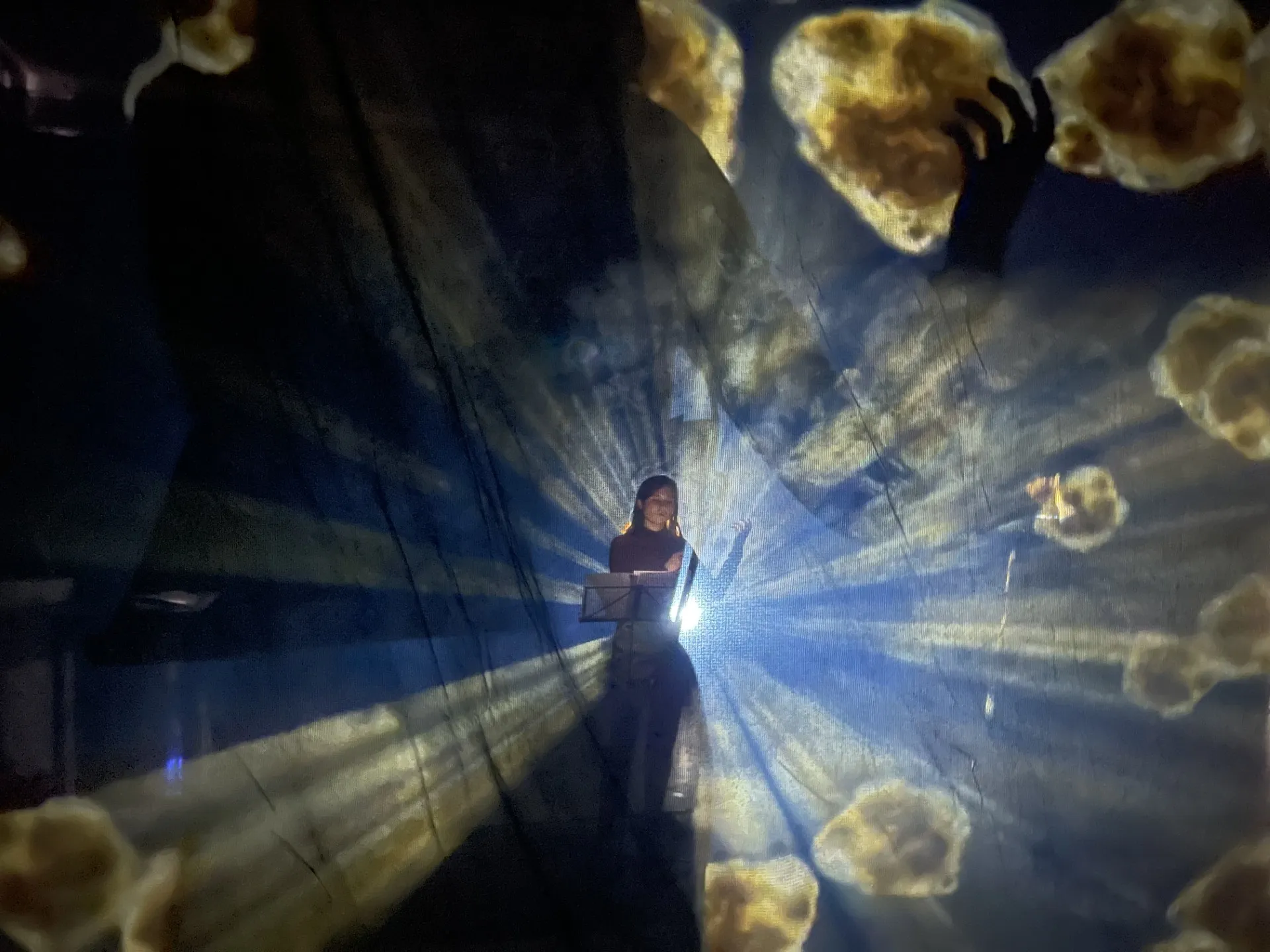
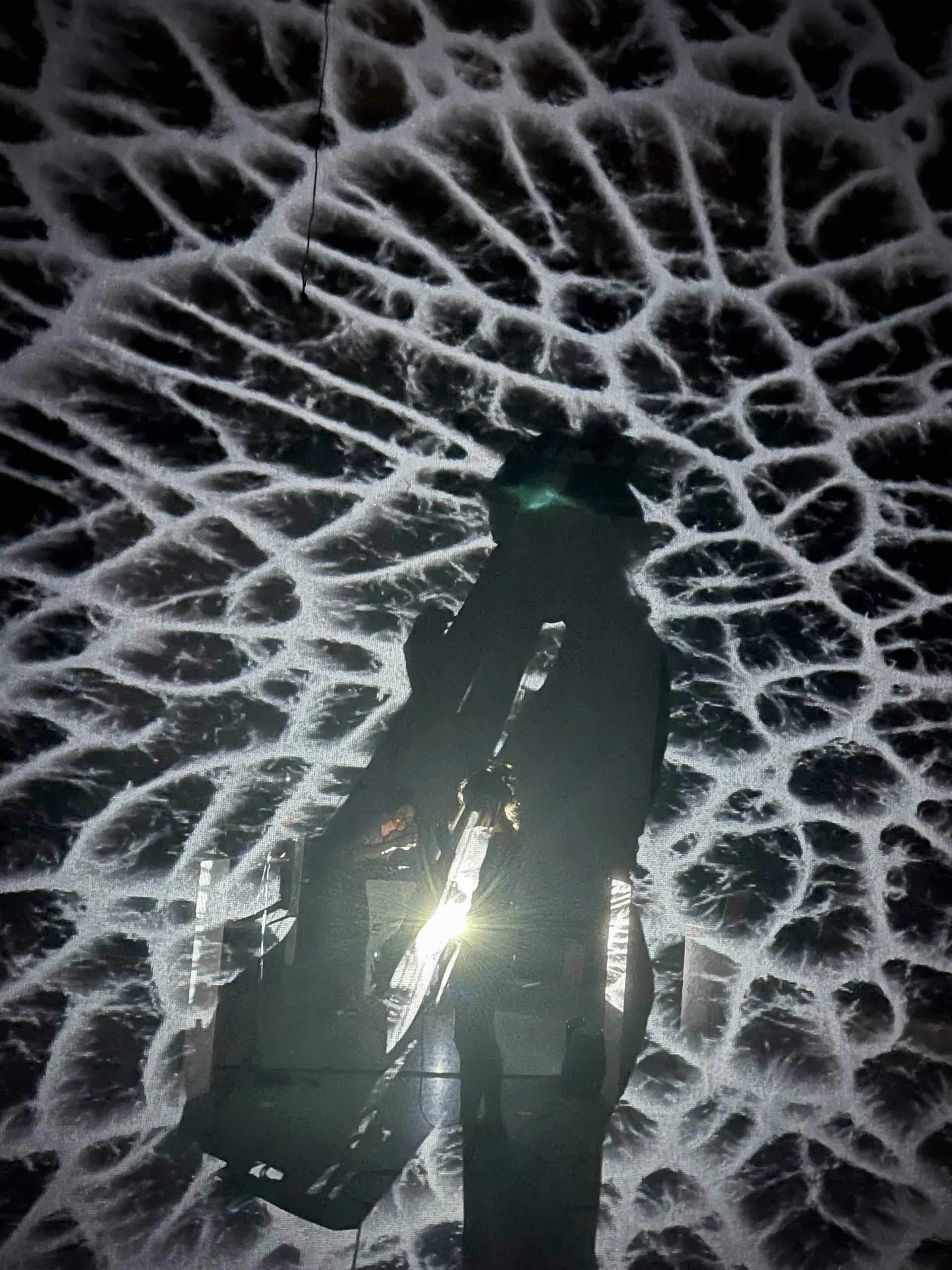
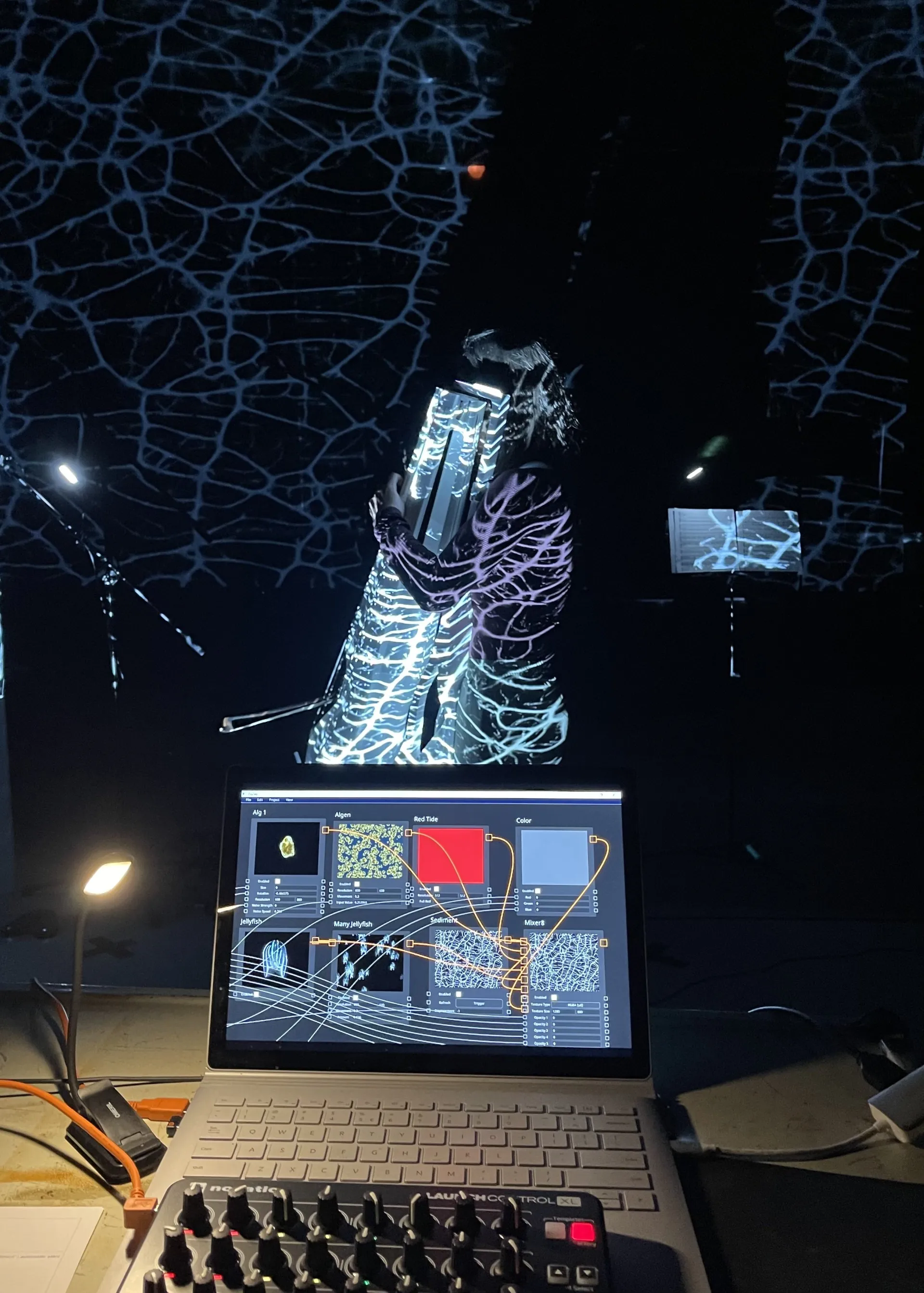
The first real project made with ZigZag: the visuals for Deadzones, a music and theatre performance. Projections filled the stage and responded live to the music and the story as it unfolded, all driven from a laptop and a MIDI controller running ZigZag.
2025
A proper UI library
With the growing complexity of ZigZag a proper solution was required for the UI. The UI needs to be very performant because we want to keep as many resources for the content as possible. A lot of time was spend to build a very solid, capable and performant UI library for ZigZag. A lot of inspiration taken from Qt and the wonderful Clay UI library. The editor as it looks today comes out of this work.
June 2026
Full time
After years of evenings and weekends, I can finally start working on ZigZag full time. Things start moving fast now.
September 2026
The first public builds
The first builds of ZigZag are released to the public. ZigZag is finally something other people can try. Even though ZigZag is still in its early stages we encourage you to download it, try it out, and let us know what you think.